Key Takeaways
- Personalized plan: Care should match the daily tasks your relative needs help with, the times help is needed, and the routines they want to keep.
- Daily support: A care plan may include bathing, dressing, meals, safe movement, companionship, light household help, and other approved tasks.
- Caregiver fit: Language, culture, schedule, personality, and care experience can all matter when matching a caregiver with your family.
- Ways to pay: Eligible New Yorkers may use Medicaid-funded personal care. Families may also choose private pay when they want a direct care arrangement without Medicaid authorization.
- Local help: Cottage has Queens offices in Jamaica and South Richmond Hill and can explain its HHA, PCA, NHTD, and private-pay intake routes.
- Prepare first: Write down the daily tasks, preferred schedule, language needs, Queens ZIP code, and Medicaid status before your first intake call.
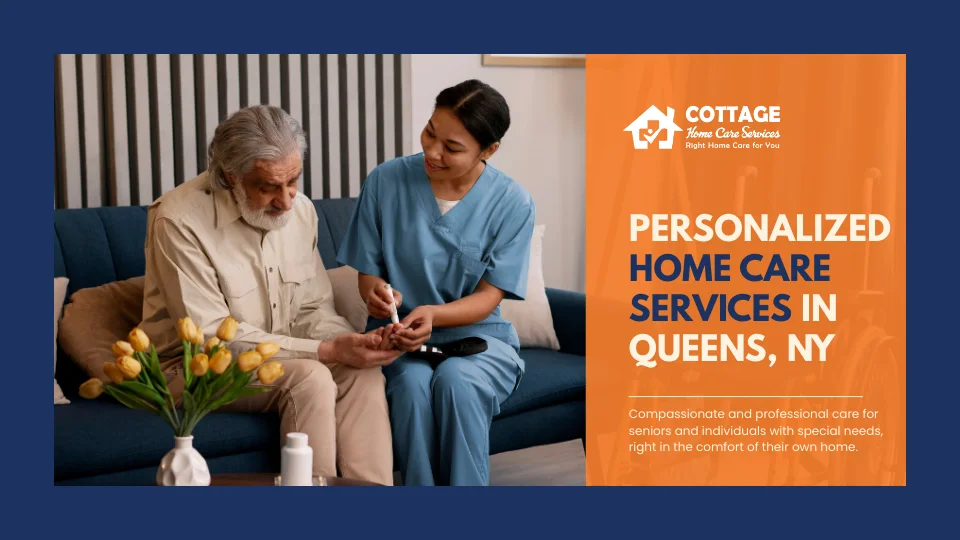
Personalized home care in Queens starts with what your relative actually needs each day. They may need help bathing in the morning, making meals, walking safely, keeping a familiar routine, or having someone nearby while family members are at work.
A good care plan should also consider when help is needed, preferred language, cultural routines, caregiver fit, and how care will be paid for. This guide explains how personalized senior care works in Queens, how HHA and PCA support differ, how Medicaid and private pay fit in, and what to prepare before speaking with a care agency.
If you are balancing work, family responsibilities, and a parent's changing needs, you do not need to know every program name before asking for help. Start with the tasks that are hard, the times support is needed, and the kind of caregiver your relative would feel comfortable having at home.
In This Guide
What personalized home care means in Queens
How a personalized care plan is built
HHA, PCA, or companion support
Why caregiver matching matters
Medicaid and private-pay options
How family members can support the care plan
How to check a Queens home care agency
What to prepare before intake
Frequently asked questions
What Does Personalized Home Care Mean in Queens?
Quick answer: Personalized home care means building the schedule and care plan around the person's real daily needs instead of using the same routine for every client. The plan may include personal care, meals, mobility help, companionship, household support, and other approved tasks.
For one family, the main need may be help with bathing and dressing before breakfast. Another family may need afternoon companionship, safe walking support, meal preparation, or help keeping a steady routine when memory changes make the day harder.
Personalized care does not mean every requested task can automatically be added. The agency still has to match the care plan to the caregiver's training, the payment source, and any program authorization. The goal is to make the approved care fit the person's day as closely as possible.
How Is a Personalized Care Plan Built?
A useful care plan starts with the day itself. Before thinking about an aide title or program name, write down what your relative can do safely, what is difficult, and when help would make the biggest difference.
1. List the difficult tasks
Note bathing, dressing, toileting, meals, walking, transfers, household tasks, memory support, or time spent alone.
2. Identify the schedule
Think about mornings, evenings, several days each week, overnight needs, or the times when family caregivers are working.
3. Share communication needs
Tell the agency which language your relative prefers and any cultural, food, religious, or household routines that matter.
4. Choose the payment route
Find out whether your family is exploring Medicaid-funded care, an approved waiver, or private pay.
5. Match the caregiver
The caregiver should fit the approved tasks, schedule, communication needs, and the level of support the person requires.
Cottage's Queens team says its intake process includes learning about needs, schedule, preferences, and the support the family requires before matching care. You can review the local programs on the Queens home care page.
HHA, PCA, or Companion Support: What May Fit?
Quick answer: PCA and HHA services both support daily life at home, but an HHA may also perform certain health-related tasks within the aide's training and care plan. Companion support focuses more on routine, social support, and agreed non-medical help.
| Type |
Typical role |
| PCA | Personal care and everyday help such as bathing, dressing, meals, light housekeeping, and safe movement. |
| HHA | Personal care plus certain health-related support within the aide's training, supervision, and care plan. |
| Companion | Conversation, routines, social support, errands, and agreed household help without skilled medical care. |
| Private pay | The family pays directly for an agreed service and schedule. Medicaid authorization is not required for private-pay care. |
If your main question is specifically about HHA duties, training, or eligibility, use Cottage's separate Queens HHA guide. Keeping that topic separate helps this page stay focused on personalized care planning and caregiver fit.
Why Caregiver Matching Matters in Queens
Queens families do not all speak the same language, eat the same foods, follow the same routines, or feel comfortable with the same kind of caregiver. A good match can make care easier to accept and easier to follow.
Tell the intake team about your relative's preferred language, daily schedule, usual meals, mobility needs, personality, and any household routines they want to keep. Also explain any communication needs related to hearing, memory, or cognitive changes.
Local Cottage support: Cottage lists offices in Jamaica and South Richmond Hill and says it matches multilingual, multicultural caregivers whenever possible. Matching still depends on the person's needs, schedule, and caregiver availability.
This is also why a simple "Do you have someone available?" question is not enough. Ask whether the agency can match the actual schedule, communication needs, and care tasks your family has written down.
Does Medicaid Cover Home Care in Queens?
Quick answer: Medicaid can cover personal care for eligible New Yorkers who meet the financial, functional, and program requirements. Adults usually need a community health assessment and clinical appointment through New York's independent assessment process before personal care is authorized.
New York changed the minimum-needs standard for many new adult Personal Care Services and CDPAS applicants on September 1, 2025. In general, an applicant must be assessed as needing at least limited physical help with more than two activities of daily living. For a person with dementia or Alzheimer's disease, supervision with more than one activity of daily living can meet the minimum-needs standard. Some people already receiving services before that date are treated under earlier rules.
Read the current requirements on the New York Personal Care Services Program page. The state or health plan determines eligibility and authorized hours; a home care agency does not make that final decision.
If you are paying privately, you do not need Medicaid approval to begin discussing a schedule with an agency. Ask for the current rate, visit minimums, services included, and a confirmed start plan before assuming care is arranged.
How Can Family Members Stay Involved in the Care Plan?
Quick answer: Family members can help explain routines, preferred meals, mobility needs, communication preferences, and the times of day when support is most useful. This information helps the agency build a care plan that fits the person instead of using a one-size-fits-all schedule.
If you already help your parent or relative, write down the tasks you handle now and the tasks that are becoming hard to manage around work, school, or other family duties. Bring that list to the intake call so the team can discuss which services may fit.
If you are looking for paid caregiver employment with Cottage, use the separate New York caregiver careers page. Current openings, pay, and requirements depend on the role and case assignment.
How Can You Check a Queens Home Care Agency?
Quick answer: Check the agency's New York license information, ask how caregivers are screened and supervised, review the written care plan, and ask what happens if the assigned caregiver is unavailable.
- Verify the agency. Use New York State's Home Care Health Profiles directory and compare the legal name and license details.
- Ask about caregiver screening. Confirm certification or training requirements, background checks, and how the agency decides whether an aide can safely perform the assigned tasks.
- Review the care plan. Make sure the schedule, approved tasks, communication needs, emergency contacts, and limits of the caregiver's role are clear.
- Ask about backup coverage. Find out who calls you if an aide is absent and what the agency does when a replacement is not immediately available.
- Get payment terms in writing. Ask what is covered, what requires authorization, and what your family may have to pay directly.
Cottage currently lists New York State Department of Health license numbers 2773L001 and 2773L002 on its New York pages. Its Queens page also lists two local offices: South Richmond Hill and Jamaica.
Licensing is an important check, but it is not the only one. Your family should still ask whether the agency can support the exact schedule, language, care tasks, and payment route your relative needs.
What Should You Prepare Before a Home Care Intake Call?
You do not need a perfect care plan before calling. A short list of facts helps the intake team give you a clearer next step.
- Who needs care: age, living situation, and whether someone is usually home with them.
- Daily tasks: bathing, dressing, toileting, meals, walking, transfers, memory support, or household help.
- Schedule: the days and times that matter most.
- Queens location: ZIP code and any building-access details that could affect visits.
- Language and routine: preferred language, meals, cultural practices, and household preferences.
- Coverage: whether your relative has Medicaid, another health plan, long-term care insurance, or is considering private pay.
- Recent changes: falls, hospital discharge, memory changes, or a family caregiver who can no longer cover the same hours.
What can you discuss with Cottage's Queens team?
Tell the team what your relative needs help with, where they live, the preferred schedule and language, and whether you are exploring Medicaid-funded care or private pay. The team can explain Cottage's available HHA, PCA, NHTD, and private-pay routes, what information is needed for intake, and what the next step would be for your situation.
Personalized Home Care in Queens: FAQs
What does personalized home care include in Queens?+
It may include bathing, dressing, meals, safe movement, light household help, companionship, routines, and other approved tasks. The plan should match the person's assessed needs, schedule, caregiver skills, and payment source.
How is a personalized home care plan created?+
Start with the tasks that are difficult, when help is needed, communication preferences, and the payment route. The agency then uses the assessment or intake information to build the schedule and match an appropriate caregiver.
What is the difference between an HHA and PCA in Queens?+
A PCA mainly helps with personal care and daily activities. An HHA can provide personal care plus certain health-related tasks within the aide's training, supervision, and care plan. The exact role depends on the service authorization and agency scope.
Does Medicaid pay for personalized home care in Queens?+
It can for eligible New Yorkers who meet the program's financial and functional requirements. Adult applicants generally complete the state's assessment and clinical process before personal care is authorized. The state or health plan decides eligibility and approved hours.
Can I ask for a caregiver who speaks my relative's language?+
Yes. Tell the agency the preferred language during intake. Cottage says it matches multilingual and multicultural caregivers whenever possible. The final match still depends on caregiver availability, schedule, and care needs.
How do I verify that a Queens home care agency is licensed?+
Use New York State's Home Care Health Profiles directory and compare the agency's legal name and license details. Also ask how caregivers are screened, supervised, and matched to the written care plan.
Can I use private pay instead of Medicaid?+
Yes. Private pay means the family pays the agency directly for an agreed schedule and services. Medicaid authorization is not required, but you should still get the rate, visit minimums, included tasks, and start plan in writing.
What should I prepare before a home care intake call?+
Bring a short list of daily care needs, preferred days and hours, Queens ZIP code, preferred language, Medicaid or insurance information, and any recent fall, hospital stay, or change in memory or mobility.
How quickly can home care start in Queens?+
Timing depends on the payment route, required assessment or authorization, caregiver availability, location, and schedule. Private pay may move faster because Medicaid approval is not required. Ask for a confirmed start date for your specific case.
Not Sure What Kind of Home Care Your Family Needs?
Tell Cottage's Queens team what your relative needs help with, where they live, preferred language and schedule, and whether you are exploring Medicaid or private pay. The team can explain the Cottage care options that may fit and what to prepare for the next step.
Cottage lists Queens offices at 126-01 Liberty Avenue in South Richmond Hill and 103-21 98th Street in Jamaica, plus NYSDOH License Nos. 2773L001 and 2773L002.
|
|

 Alex TullaoRegistered Nurse