Key Takeaways
- Check the Maryland license first. Agencies that provide regulated home care services generally need a Residential Service Agency (RSA) license. Check the legal name and current listing with the Maryland Office of Health Care Quality (OHCQ).
- Compare the care, not just the price. Ask how caregivers are screened, who makes the care plan, and what happens when an aide misses a visit.
- Know the cost. CareScout's 2025 survey, released in 2026, lists a $35 hourly median for nonmedical home care in Maryland. This is not a fixed rate.
- Ask for a written quote. Confirm the exact tasks, visit length, full charges, cancellation rules, and first available date.
- Private pay is a choice, not an insurance program. You may pay directly without Medicaid approval. Some long-term care insurance or VA benefits may help eligible people.
Private home care agencies in Maryland help with daily life. This can mean bathing, dressing, meals, and walking. Before you choose an agency, check its state license. Ask about staff checks, the care plan, price, and backup care. Start with what your parent needs. Write down the days and hours. Do not choose based on claims of being the best. This guide gives you seven checks to use with any provider. You will learn about Maryland costs and aide duties. You will also see what to prepare for the first visit. You can use the same questions with two or three agencies before you make a decision.
Table of Contents
How to Compare Private Home Care Agencies in MarylandHow to Verify a Maryland Home Care Agency LicenseSeven Checks to Make Before Hiring an AgencyWhat Services Can Private Home Care Agencies Provide?How Much Does Private Home Care Cost in Maryland?What Should Be in Your Written Care Quote?Agency Care vs. Hiring a Caregiver DirectlyWill Medicare, Medicaid, or Insurance Pay?How to Prepare for the First Home Care VisitHow Cottage Home Care Maryland Can HelpFrequently Asked Questions About Private Home Care Agencies in MarylandSources and Further ReadingHow to Compare Private Home Care Agencies in Maryland
Quick answer: Choose two or three agencies that serve your ZIP code. Ask what care they offer. Check the RSA listing, staff checks, price, and backup plan. Ask who leads the care team. Ask each one the same questions.
Start with your relative's daily needs. Do they need a hand with bathing and getting dressed? Do they need meal help, companionship, or support walking around the home? Write down the tasks and when help is needed.
Then ask each agency whether it has trained staff for that schedule. An agency may list many services. Ask what it can offer at your address. Check that the work fits its license.
Do not use star ratings alone to choose. Reviews can help you make a short list. They do not replace a license check. You still need the staff rules and written terms. Medicare home health star ratings cover a different type of care. Do not use them as private-care ratings.
How to Verify a Maryland Home Care Agency License
Quick answer: Maryland's Office of Health Care Quality licenses and oversees Residential Service Agencies. Check its official RSA licensee directory, then match the agency's legal name, license number, location, and approved service type.
- Ask the agency for its legal business name and RSA license number.
- Open the OHCQ directory and select Residential Service Agencies.
- Check that the name and details match. If anything is unclear, contact OHCQ to confirm the current status.
- Ask whether the license covers the help you need, especially if personal care or clinical tasks are involved.
- Ask how the agency handles complaints and how to reach a supervisor.
Maryland's RSA regulation, COMAR 10.07.05, sets licensing, staff screening, care, and advertising rules. An agency that provides only certain household or family support tasks may fall under a licensing exception. The service offered matters, so do not judge by a company name alone.
Maryland requires an RSA to show its license number in ads. It must also use the state's license statement. A license is an important starting check. It does not guarantee that every caregiver, schedule, or care plan will fit your family.
Seven Checks to Make Before Hiring an Agency
Use these questions when you call. Keep the answers from each agency in one place so your family can compare them.
| Check |
Question to ask |
What you should get |
| 1. License |
What is your RSA license number and legal name? |
Details you can match in the OHCQ directory |
| 2. Caregiver screening |
What checks and training happen before a caregiver starts? |
A clear account of the screening and training process |
| 3. Care plan |
Who writes the care plan and checks that the aide can do each task? |
A written list of duties, hours, and limits |
| 4. Supervision |
Who can my family call with a concern or care change? |
A named team or direct office contact |
| 5. Missed shifts |
What happens if the assigned caregiver is absent? |
A backup process and its limits |
| 6. Price |
What will we pay, including minimum visits and extra charges? |
A written estimate and service terms |
| 7. Start date |
When can staff and the first visit be confirmed? |
A clear intake process and a confirmed schedule |
A useful warning sign: An agency will not give you its legal name, explain who supervises care, or put its payment terms in writing. Ask more questions before signing anything.
What Services Can Private Home Care Agencies Provide?
The right worker depends on the task. These are common types of support, not a promise that every agency offers each service.
| Your loved one's need |
Ask about |
Check before care starts |
| Bathing, dressing, toileting, or eating |
Personal care aide support |
Training, safe transfers, and the written care plan |
| Meals, light chores, shopping, or conversation |
Homemaker or companion support |
Which tasks and visits are included |
| Help after a hospital stay |
Nonmedical daily help alongside any separate ordered treatment |
Discharge instructions and which provider handles medical tasks |
| Wound treatment, injections, IV care, or therapy |
Appropriately licensed clinical care |
The professional credentials and provider authorization |
A nonmedical aide is not the same as a nurse. Do not assume an agency can provide skilled nursing because it advertises home care. Maryland separately regulates home health agencies and RSAs, and the services must fit the license and staff qualifications. See the state's RSA guidance.
How Much Does Private Home Care Cost in Maryland?
Quick answer: The CareScout 2025 Cost of Care Survey reports a $35 per hour Maryland median for nonmedical in-home care. The survey was released in 2026. This is a state benchmark, not a required rate or a Cottage Home Care quote.
Here is a simple example. 10 hours a week at $35 an hour costs $350 a week. That is about $1,517 per month (52 weeks divided by 12). Your actual invoice may change with shorter visits, weekend rates, care tasks, or other charges.
Cottage's Maryland private-pay page lists $30-$36 an hour for standard nonmedical care. Ask the Maryland team to confirm the rate for your location, the help needed, and the schedule. A published range is not a personal quote.
For more cost examples, Medicaid rules, and payment details, see Cottage's Maryland home care cost guide. This article focuses on choosing an agency, rather than repeating the full state cost and benefit guide.
What Should Be in Your Written Care Quote?
Ask each agency for a written price tied to the same care schedule. It should state:
- The tasks the aide will perform and the days and hours booked.
- The hourly rate and any minimum visit or weekly hours.
- Prices for nights, weekends, holidays, and changes on short notice.
- Any setup, assessment, travel, or cancellation fees.
- Who sends the bill and how care hours are recorded.
- How missed shifts, replacement visits, and contract changes are handled.
Example question: "My mother needs help for three hours each morning, four days a week. She needs help with bathing, breakfast, and laundry. What will the full month cost? Will that fit your visit rules?"
A total monthly estimate should be clear enough for you to compare offers. Ask for the care plan and service agreement before making a payment.
Agency Care vs. Hiring a Caregiver Directly
You can use an agency or hire a person directly. The first hourly price may look lower with a direct hire, but the work behind the arrangement is different.
| What to compare |
Through an agency |
Direct hire |
| Finding a caregiver |
Ask about screening and matching |
You find and check the person |
| Changes or absences |
Ask about backup staff and response time |
You arrange a backup plan |
| Care plan and oversight |
Ask who supervises tasks and reviews care |
Your family coordinates the work |
| Payroll and insurance |
Confirm the legal employer and coverage |
You may have household-employer duties |
If you hire someone and direct the work, you may be their employer. The IRS Household Employer's Tax Guide explains when this applies. Neither an agency name nor a private agreement automatically decides who has employment duties. Confirm them in writing.
Will Medicare, Medicaid, or Insurance Pay?
Private pay: You pay the agency. No Medicaid approval is needed. The agency must still confirm the care and hours.
Original Medicare: It does not pay for ongoing personal or custodial care when that is the only help needed. Some part-time aide services may be covered as part of an eligible skilled home health plan. See Medicare's long-term care coverage.
Maryland Medicaid: Covered personal assistance is a different path from private pay. State eligibility, a care assessment, approved hours, and a participating provider may be required. Paying privately now does not mean earlier visits will be reimbursed later. See Cottage's Maryland home care programs for a separate look at CFC and waiver options.
Long-term care insurance: Some plans may cover in-home care. Ask your insurer about eligible providers, waiting periods, daily limits, and required bills or care records.
VA benefits: Some veterans and surviving spouses may qualify for added pension benefits through VA Aid and Attendance. These benefits have their own rules and are not an automatic payment of a private agency bill.
Want to know if family caregivers can get paid? That is a separate type of care plan. Ask about that program first. Ask about the specific Maryland program before expecting wages or approval.
How to Prepare for the First Home Care Visit
There are five simple steps:
- List the help needed. Write down bathing, walking, meals, personal routines, and any memory or safety concerns.
- Choose the hours. Give your ZIP code, days, start times, and how long each visit should last.
- Check two or three providers. Use the license and seven-check comparison above.
- Review the care agreement. Check the caregiver's tasks, total price, backup plan, and contact person.
- Confirm the first visit. Ask who is coming, when they arrive, and how to report a problem.
Before the first visit, share emergency contacts, the best way to enter the home, communication needs, mobility instructions, allergies, and important daily routines. If your relative just left a hospital, keep the discharge notes handy. Give medical follow-up details to the licensed care team.
How Cottage Home Care Maryland Can Help
Cottage's Maryland team can discuss personal care, companionship, hours, and private pay. The team can explain its intake steps. You can ask if a caregiver is free in your ZIP code.
Cottage lists RSA License No. 02496 on its Maryland website. You can check the current license record through the OHCQ directory. Maryland requires the following statement in RSA advertising:
Licensed as a residential service agency by the Maryland Department of Health, Office of Health Care Quality.
Cottage Home Care Maryland
6310 Stevens Forest Road, Suite 100, Columbia, MD 21046
Phone: (667) 400-0648
Email: maryland@cottagehomecare.com
Office: Monday-Friday, 8:30 AM-5:00 PM
When you call, have your relative's ZIP code, daily tasks, preferred days, and expected hours ready. Ask for current availability, a written rate, and what is needed to start. You can also contact the Maryland team online. A conversation does not commit your family to care.
Frequently Asked Questions About Private Home Care Agencies in Maryland
How do I find a licensed private home care agency in Maryland?+
Ask for the legal name and RSA license number. Check the Maryland OHCQ Residential Service Agency directory, then ask the agency to confirm its care services and staffing for your ZIP code.
How much does private home care usually cost in Maryland?+
CareScout's 2025 survey gives a statewide median of $35 per hour for nonmedical home care. The amount you pay may be higher or lower. Ask for a written quote with all charges.
Can I arrange home care without having Medicaid?+
Yes. Private-pay home care lets you fund services directly. You still need the agency to confirm staff, tasks, pricing, and a start date.
Is a private home care agency the same as a skilled home health agency?+
No. Nonmedical help with daily tasks is different from skilled nursing or therapy. Check the exact services and the agency's license and staff qualifications.
Does Medicare pay for a private caregiver in Maryland?+
Original Medicare does not cover long-term personal care when that is the only help needed. It may cover limited aide services as part of a qualifying skilled home health plan.
Can I request a caregiver who speaks my parent's language?+
You can ask. Tell the agency which language and daily routines matter. The agency must confirm whether a suitable caregiver is available for your schedule.
What happens if the caregiver cannot come to work?+
Ask how the agency reports missed shifts. Ask who calls your family. Check the backup plan. Get the backup policy in writing; a replacement is not guaranteed in every case.
How soon can private home care begin in Maryland?+
There is no fixed statewide start time. The first visit depends on intake, care needs, staff availability, and the agreed schedule. Ask for a confirmed date before relying on coverage.
Sources and Further Reading

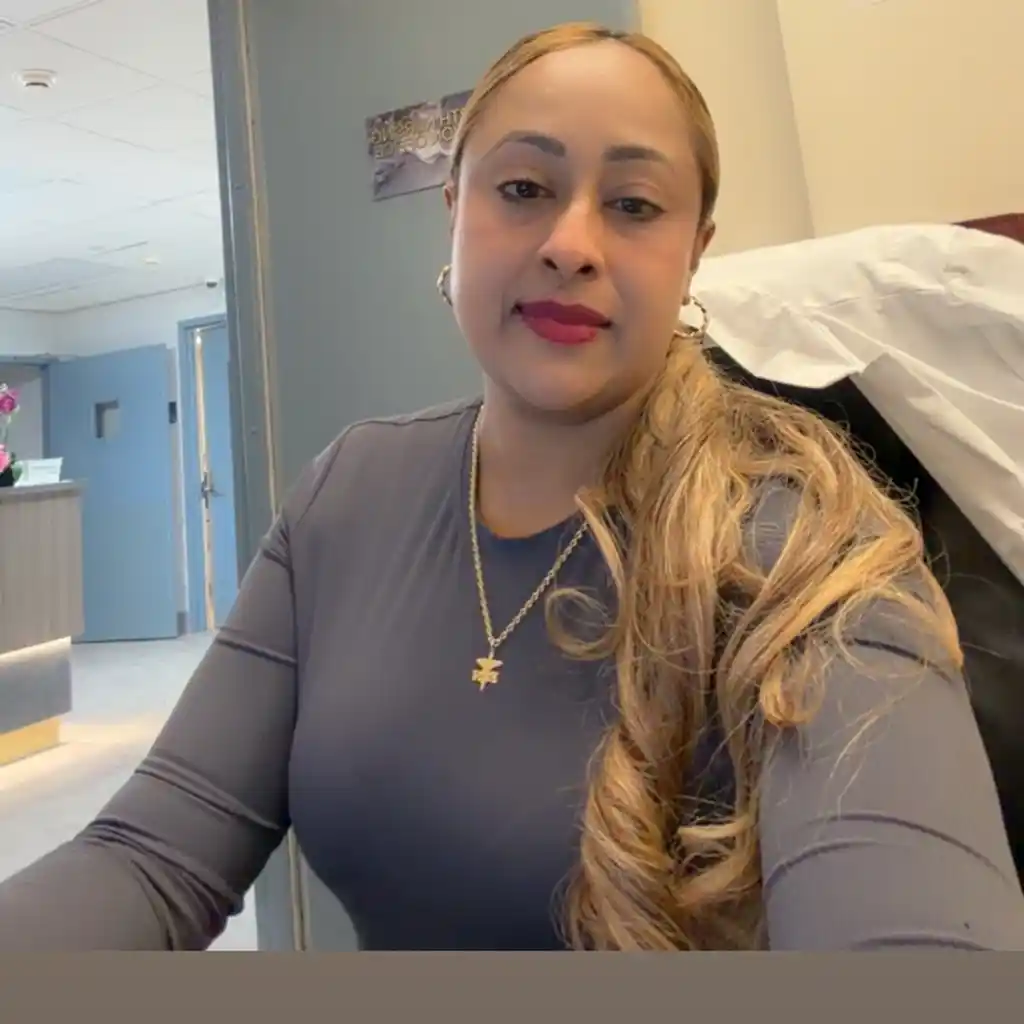 Sabine DurgaramDPS/RN